Planning a home extension, loft conversion, or structural alteration? Before any work begins, you’ll need a Building Regulation Approval Package to prove your project is safe, compliant, and ready for sign-off. Working with a trusted structural engineer near me ensures your plans are backed by accurate calculations, clear drawings, and expert guidance—so you can avoid delays, pass inspections first time, and move your project forward with confidence.
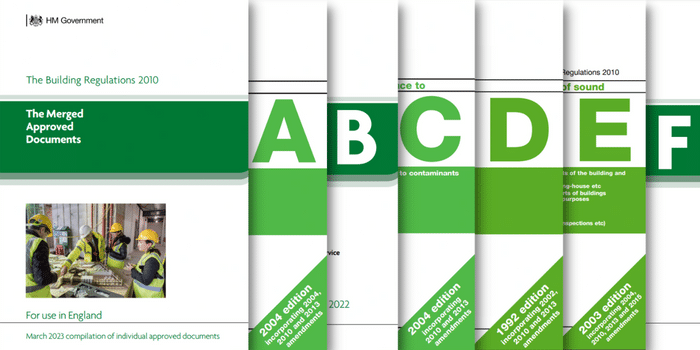
A Building Regulation Approval Package is the technical documentation required to prove your project is structurally safe and compliant with UK Building Regulations.
In simple terms:
It’s what convinces Building Control that your build won’t fall down, crack, or cause issues down the line.
This package is typically prepared by a structural engineer, not just an architect.
Without it, you won’t get approval—and your project legally shouldn’t proceed.
Call 0207 101 3687 and receive a no obligations quotation
We’ll arrange a visit that suits you and then gather information on what structural support you’ll need
After the inspection, we’ll created detailed structural drawing and calculations
Throughout the project, you’ll always be able to reach us for any assistance
This is one of the biggest mistakes homeowners make.
Planning Permission is about what you’re allowed to build. Building Regulations are about how you build it safely.
You can have planning approval and still fail Building Regulations.In fact, many projects in West London fall under permitted development (so no planning needed)… but still require full structural approval.


A proper package isn’t just one document—it’s a full set of technical deliverables.
Here’s what you should expect (explained properly, no confusing tables):
You’ll receive structural calculations that detail exactly how loads are transferred through your building, including beams, columns, and foundations. These calculations are what Building Control relies on to approve your project.
You’ll also get structural drawings. These show builders exactly where to install beams, how connections should be made, and what specifications to follow on site.
In many cases, there will also be a structural report explaining the methodology—particularly useful for more complex projects like basement works or large extensions.
Good engineers will also include submission support. This means they’ll coordinate with Building Control, respond to comments, and revise drawings if needed.
If you’re working on something like a loft conversion or extension, you may also want to internally link here using anchor text like:
A strong Building Regulation Approval Package starts from the ground up. We also provide expert foundation design, ensuring your project is not only approved on paper but built on solid, compliant structural principles from day one.
By combining structural calculations with practical foundation design, we help prevent delays, reduce the risk of issues on site, and ensure your project passes Building Control smoothly—first time.
A lot of homeowners assume drawings alone are enough. They’re not.
Building Control isn’t interested in how your project looks—they care about:
That’s where a structural engineer west london comes in.
They provide:
Think of it like this:
Your architect designs the vision.
Your structural engineer makes sure it actually stands up.
If you’re based in areas like
You’ll typically be dealing with local authority Building Control or approved inspectors.
Each borough can have slightly different turnaround times, but the expectations are broadly the same:
Clear, compliant structural documentation.
In West London, common projects include:
All of these require proper structural calculations—no exceptions.
Before any calculations or approvals, it’s often crucial to understand the condition of your existing structure. We provide detailed structural surveys to identify issues such as cracks, movement, or load-bearing concerns—giving you a clear picture before work begins.
By combining structural surveys with your Building Regulation Approval Package, we help ensure your design is based on accurate, real-world conditions—reducing risk, avoiding surprises, and keeping your project on track from the start.
Not all engineers are equal—and this decision matters more than you think.
Look for someone who:
If you’re browsing services, good internal link opportunities include:
The goal is to work with someone who doesn’t just send drawings—but actually helps you get approved.
Yes. Almost all structural work requires approval, even if planning permission isn’t needed.
Typically 1–3 weeks depending on complexity and borough.
No. Builders don’t produce structural calculations—this must be done by a structural engineer.
You risk fines, delays, and issues when selling your property.
Yes—especially for floor strengthening and steel beams.
It varies depending on project size, but investing properly upfront saves money long term.
Yes. They will check key stages to ensure compliance.
Yes, but they may need to be re-approved.
Our main office is in Harrow-On-The-Hill, so we serve, Harrow, North West London, and areas like Watford, Eastcote, Northwood and more. We also serve Hemel Hempstead through our Hemel Hempstead office.
Let’s save you some pain here.
One of the biggest mistakes is starting work before approval. This almost always leads to delays or expensive fixes later.
Another is hiring a cheap or inexperienced engineer. If calculations are wrong or unclear, Building Control will reject them.
Some homeowners also rely entirely on builders for structural advice—which is risky. Builders are great at building, but structural design should always come from a qualified engineer.
Finally, many people underestimate timelines. Even simple projects need proper documentation and approval time.
Want to move faster? Here’s what actually works:
Get your structural engineer involved early—don’t wait until plans are final.
Provide clear architectural drawings from the start. The better your inputs, the faster your outputs.
Respond quickly to any Building Control queries.
Choose an engineer familiar with your local borough.
And most importantly—don’t cut corners. Fixing mistakes later is always slower.
1. It’s Not Just Paperwork
This package is the technical backbone of your project. Without proper calculations and drawings, you won’t pass Building Control.
2. Approval Doesn’t Mean “No Changes”
Building Control may still request revisions. A good structural engineer will handle this for you.
3. Getting It Right Early Saves Money
Cutting corners here leads to costly fixes later. A solid package helps avoid delays and rework.
WhatsApp us