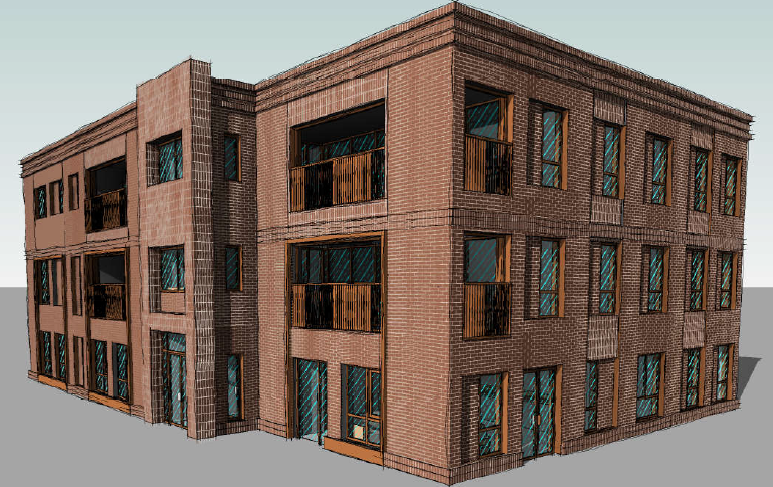
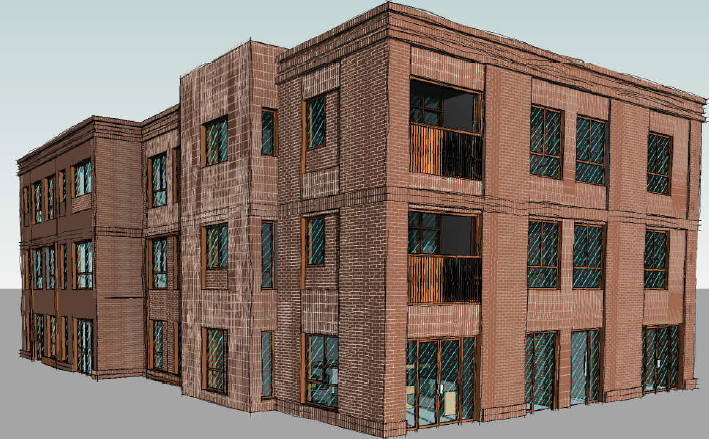
Watford’s housing stock spans well over a century — Victorian terraces clustered around the town centre and St Albans Road, Edwardian semis in Nascot Wood, substantial 1930s detacheds in Cassiobury and Oxhey, and a large post-war estate presence throughout Meriden and Woodside. Each generation of housing comes with its own structural profile, and each one deserves a proper chartered assessment before you buy, extend or renovate.
Bolt Structures is a chartered structural engineering consultancy based in Harrow. We’ve been surveying properties across Watford and Hertfordshire for over twelve years, from pre-purchase inspections on Victorian terraces to structural reports on large detacheds in the Cassiobury Park Estate.
Let’s keep it simple and useful.
A Structural Engineer Watford walks the property, measures what’s actually there, and reports — in plain English and engineering terms — exactly what’s going on with the structure.
That report is what stands between an informed decision and a nasty surprise twelve months in.
Call 0207 101 3687 and receive a no obligations quotation
We’ll arrange a visit that suits you, walk the whole property, measure key elements and photograph everything that matters for the report.
After the inspection, we’ll produce a clear written report with findings, photos, sketches and prioritised recommendations for any remedial work.
Throughout your project, you’ll always be able to reach us for any assistance — whether it’s solicitor queries, builder liaison or follow-up advice.
This is where most homeowners get confused — so let’s break it down clearly. A structural survey isn’t a tick-box homebuyer’s report; it’s a chartered engineer’s measured opinion on what the structure is actually doing and what (if anything) needs fixing.
Every survey starts on site. We work systematically through the property — exterior, roof, every room, cellar where accessible — recording what we see.
The walk-round tells us:
Once the issues are mapped, we measure and diagnose:
Every finding is photographed, classified by severity and tied to a clear recommendation. Reports follow Institution of Structural Engineers guidance and are written for non-engineers as well as builders.
Victorian solid brick, 1930s cavity, 1960s concrete frame — each ages and fails differently. A good structural survey reflects how your specific building behaves, not a generic checklist.


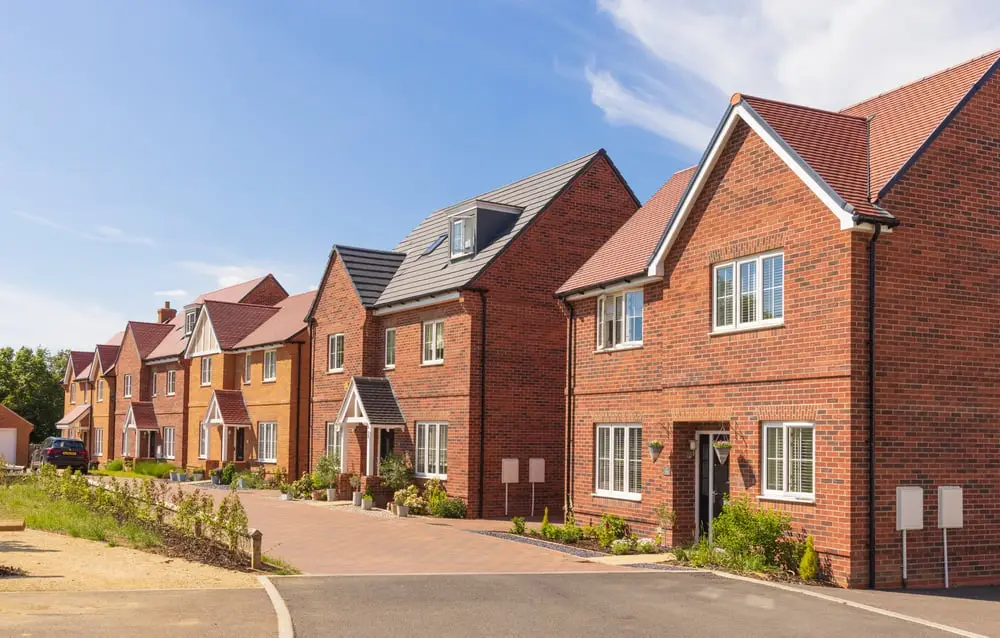




Not all structural surveys are the same — the right one depends on whether you’re buying, monitoring movement, chasing a specific defect, or unblocking an insurance claim.
The most common request — a chartered engineer’s report before you exchange contracts on a West London property.
Used when cracks have appeared, doors are sticking, or the wall feels like it’s moved — and you need to know whether it’s serious.
Used where movement is suspected to be coming from the ground — common in West London’s London Clay, especially near mature trees.
Sometimes you don’t need a full survey — just a clear answer on one element: a bulging garden wall, a sagging floor, a dropped chimney or a leaning gable.
Watford’s housing market is more varied than it first appears — and that variety is exactly why local structural expertise matters.
If your property is in Watford, you’re likely dealing with:
A chartered structural engineer who knows Watford’s ground conditions and housing eras will give you a faster, more accurate report — and one that puts findings in proper local context rather than flagging everything equally.
Clients across Watford trust us to handle everything from early-stage reports to full structural design, ensuring their projects are delivered safely and to the highest standard. Learn more about our Feasibility Studies & Reports service.
Other services we offer: Loft Conversions, Basement Impact Assessment Reports, Internal Renovations & Alterations, Temporary Works
Not all engineers are equal — especially for surveys on older West London stock.
Yes — for any pre-purchase decision, suspected movement, or unexplained crack pattern, a chartered structural engineer’s survey is the only report that gives you a calculated, indemnified opinion. Homebuyer’s reports don’t go that far.
Surveyors and structural engineers do different jobs. A surveyor values and lists condition; a structural engineer diagnoses what the structure is actually doing and whether it’s safe. For movement, cracks or pre-purchase reassurance, you want the engineer.
Typical domestic structural surveys run 1–2 weeks from instruction to issued report — usually a same-week site visit followed by the written report a few days later.
Always, yes. A structural survey is by definition a site-based inspection. We need to see wall thicknesses, crack patterns, floor levels and any prior alterations — desk reviews of photos are not a substitute.
Often, yes. Most insurers accept a chartered structural engineer’s report as the basis for subsidence, movement or storm-damage claims. We write reports specifically to be insurance-ready.
Clay soil subsidence near mature trees is the most frequent finding — particularly on the streets bordering Cassiobury Park and in the mature residential avenues of Oxhey and Garston. Cavity-tie corrosion in the extensive 1930s housing stock is a close second. Neither is automatically serious, but both need a proper chartered assessment to classify the movement and advise on next steps before you exchange.
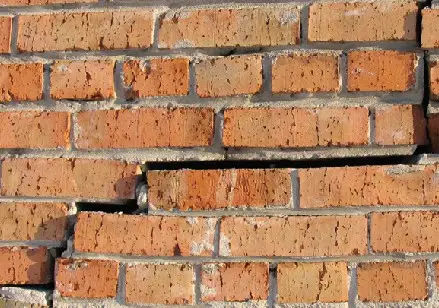
Sometimes — most cracks are cosmetic. But cracks wider than 5mm, stepped diagonal cracks, or doors and windows that have started sticking deserve a proper inspection. The cost of a survey is tiny compared to the cost of ignoring real movement.
For older properties, listed buildings or any property where you’ve spotted something that worries you — yes, often. The cost of a survey before exchange is a fraction of the cost of inheriting a structural problem.
WhatsApp us