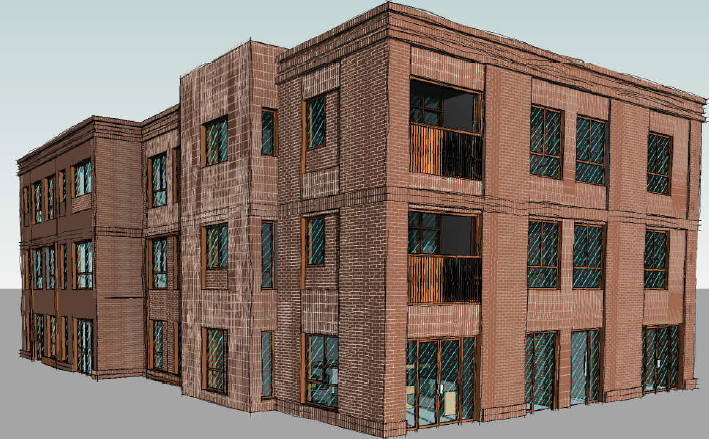
Structural Analysis: A West London Homeowner's Guide to Getting It Right

Structural analysis is the maths behind every safe extension, loft conversion, beam removal and foundation decision in your home. Skip it — or get it wrong — and you’re looking at cracks, sag, or worst case a collapse the insurer won’t cover.

That’s where a Structural Engineer Near Me comes in.

Happy Clients
0 +
Projects Delivered
1 +
Years of Experience
0 +
Sites Visited
12 +
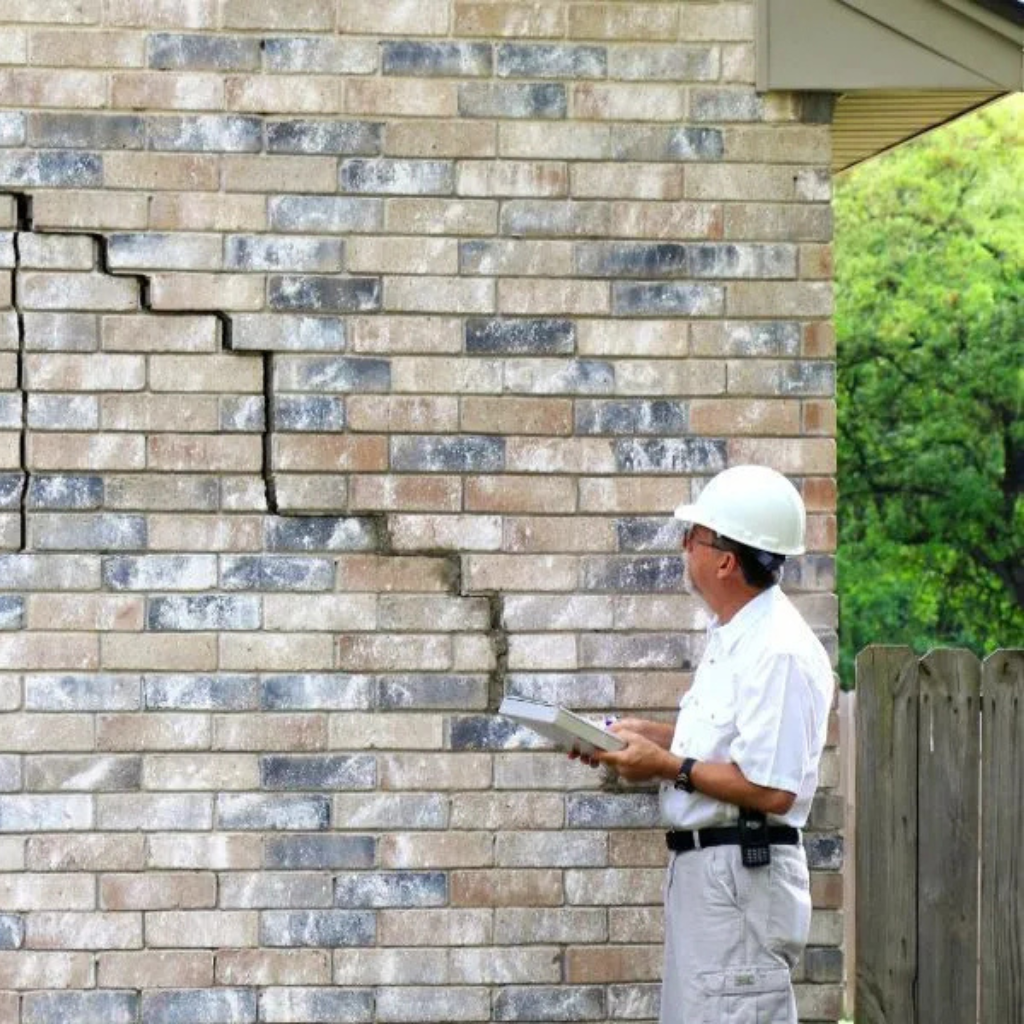
Bolt Structures conducting a structural survey

What a Structural Engineer Delivers in a Structural Analysis

Let’s keep it simple and useful.

A Structural Engineer West London takes your property or project and works out — mathematically — whether it actually stands up under every load it will ever see.

Here’s what we handle:

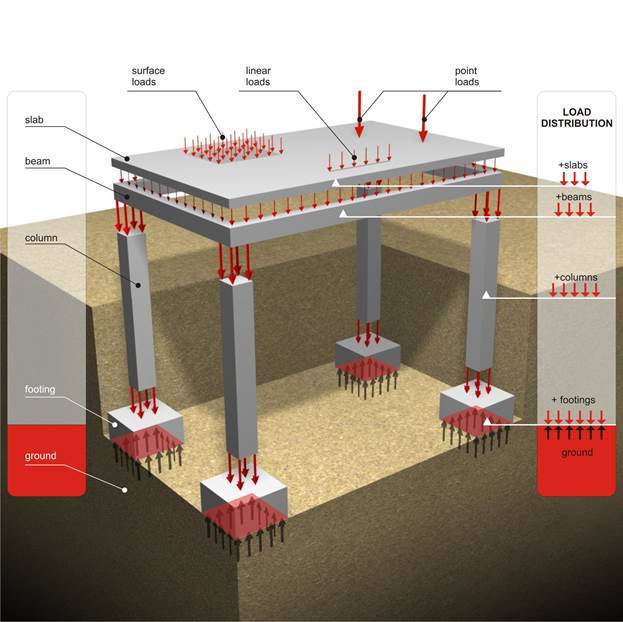
  • Load path tracing — where weight travels from roof to ground
  • Beam, lintel and column sizing to Eurocodes
  • Foundation bearing capacity and settlement checks
  • Wall-removal and opening-up calculations
  • Finite element analysis for complex or irregular loading
  • Wind, snow and imposed loading for extensions and alterations
  • Subsidence, crack and damage-assessment calculations
  • Drawings, calcs and reports for Building Control sign-off

That package is what stands between a safe alteration and the wall above a newly-installed RSJ starting to move.

Quote

Call 0207 101 3687 and receive a no obligations quotation

Site Inspection

We’ll arrange a visit that suits you, walk the property, measure openings and loads, and gather everything the analysis needs.

Detailed Design

After the inspection, we’ll run the calculations, produce drawings and specification for build and Building Control approval.

Ongoing Support

Throughout the project, you’ll always be able to reach us for any assistance — whether it’s builder queries, site changes or Building Control.

How Structural Analysis Actually Works for Homes

This is where most homeowners get confused — so let’s break it down clearly. A structural analysis often begins with, or follows on from, our structural surveys and inspections service — particularly when cracks, movement or existing conditions need to be measured before the numbers can be trusted.

1. Mapping the load path

Every kilo of roof, floor, furniture and person ends up pressing on the ground. We trace that path from top to bottom.

The analysis tells us:

  • Which walls are genuinely load-bearing
  • How weight transfers through beams, columns and foundations
  • Where a new beam or opening changes the load route

2. Quantifying every load

Once the path is mapped, we calculate the actual numbers behind it:

  • Dead loads — the permanent weight of the structure itself
  • Imposed loads — people, furniture, snow
  • Dynamic loads — wind on tall walls or exposed gables

3. Checking every element against the code

Every beam, post, lintel and footing is sized to Eurocode (BS EN 1990–1997) with the correct safety factors. No guesswork, no “that’ll do”.


4. Accounting for your actual building

Victorian solid brick, 1930s cavity, 1960s concrete frame — each behaves differently. A good structural analysis reflects the real building, not a textbook one.

Fill out the form to receive a free digital quotation

Bolt Structures | Structural & Civil Engineers place picture
5.0
Based on 30 reviews
powered by Google
XK Ye profile picture
XK Ye
21:18 29 Jan 26
We needed to push down a load-bearing wall, so we called a structural engineer. The service was prompt, professional, and reasonably priced. We would highly recommend them to anyone in need of their services.
Gerald profile picture
Gerald
10:15 22 Jan 26
The report was very clear and comprehensive.
Jeet Sarai profile picture
Jeet Sarai
16:35 14 Jan 26
Good service and professional drawing work provided. Zeshan was very helpful and delivered our project on time.
Highly recommend Bolt Structures team for calculation and drawings
Nisha Hassan profile picture
Nisha Hassan
16:34 14 Jan 26
Zeshan Khan came to do a structural calculation for my property, he was quick and very professional. An expert in his field, would recommend him and use his company again. Gave me some very good advice and helpful hints. Very polite gentleman. Thank you very much
Susan mannix profile picture
Susan mannix
09:51 03 Sep 25
I had a great experience working with Bolt Structures.  From the beginning they were incredibly helpful and took the time to clearly explain the entire process.  Every question I had was answered thoroughly, which made me feel confident and informed throughout.

Although the project took a bit longer than I initially expected the documentation and drawings were absolutely worth the wait - detailed, accurate and exactly what I needed.  A special thanks to Zeshan for conducting a site visit, it made a real difference in understanding the scope and ensuring everything was tailored to my requirements.

I would highly recommend Bolt Structures for their professionalism, patience and quality of work!
Mo Akh profile picture
Mo Akh
08:25 03 Sep 25
Really pleased with the service received from Bolt Structures. The turnaround time from the initial onsite to receiving the drawings and calculations was very quick. Communication throughout the process was great and they were quick to get back to me with follow-ups when the council had asked for more information.
Would definitely recommend Bolt Structures for all of your drawing and structural calculation needs!

Types of Structural Analysis — and Which One You Need

Not all structural analysis is the same — the method depends on what you’re changing, how old the building is, and how complex the load path actually is.

Load Path & Beam Analysis

The bread and butter of domestic structural analysis. Used for anything from removing a chimney breast to adding a two-storey extension.

  • Calculates the size of new beams, lintels and columns
  • Confirms which existing walls are genuinely load-bearing
  • Sizes padstones and bearing points properly
  • Fast, reliable, and what Building Control usually wants to see first

Foundation & Ground-Bearing Analysis

Used when you’re adding load to an existing foundation, or founding new work in tricky ground — common in West London’s clay belt.

  • Checks bearing capacity against proposed new loads
  • Assesses settlement and differential movement
  • Specifies underpinning or mini-piles where needed

Finite Element Analysis (FEA)

For irregular geometry, historic buildings or complex load paths where hand calculations can’t capture what’s really happening. Computer-based stress modelling of the whole element.

  • Common for basements, vaulted roofs and listed buildings
  • Models the structure as a 3D mesh with real stiffness
  • Shows stress concentrations a hand calc would miss
  • Overkill for a simple beam — essential for complex geometry
Wind & Dynamic Loading Analysis​

Wind & Dynamic Loading Analysis

Required when alterations change how wind or vibration loads the building — large gable windows, loft conversions with big openings, rooftop extensions, or slender walls.

  • Uses Eurocode 1 (BS EN 1991-1-4) wind maps for your postcode
  • Checks overturning, sliding and racking under design wind
  • Matters most for exposed sites near the Thames or on Richmond Hill
  • Often paired with a dynamic check where heavy plant is involved

Why West London Structural Analysis Needs Local Expertise

If your property is in:

  • Ealing
  • Chiswick
  • Richmond
  • Kingston
  • Hammersmith & Fulham
  • Kensington
  • Acton
  • Hounslow

You’re likely dealing with:

  • Victorian or Edwardian solid-brick load paths that aren’t on any drawings
  • 1930s cavity walls with mixed and sometimes undocumented lintels
  • London Clay — shrink–swell, subsidence and foundation assumptions that need checking
  • Conservation-area and listed-building constraints in Chiswick, Kew, Barnes and Little Venice
  • Tight side returns and restricted access for measurement
  • Previous alterations that were never signed off — common in older stock

Any of these factors can quietly turn a simple analysis into a more careful one. A local chartered structural engineer knows which assumptions are safe, which need verification, and how to keep Building Control and neighbours onside.

New-Builds-Image

Why choose us?

  • Fully Insured Company
  • Qualified Structural Engineers
  • Uk Registered Limited Company
  • Chartered Structural and Civil Engineering Consultancy
  • SIC Business Clarification
  • 100% Success In Building Regulation Applications
  • Transparent Pricing and Fast Turn Around
  • Flawless 5 Star Google Rating

How to Choose the Right Structural Engineer Near You

Not all engineers are equal — especially for structural analysis on older West London stock.

Look for:

  • Chartered status — MIStructE or MICE
  • Real experience with the era of your property (Victorian, Edwardian, 1930s)
  • Fluency in both hand calcs and FEA where needed
  • £1m+ professional indemnity insurance
  • Clear, simple communication and a written scope

Avoid:

  • Anyone quoting without a site visit or measured survey
  • Copy-paste beam tables not tailored to your actual loads
  • Vague answers on existing foundations — if they won’t commit, ask why
  • No mention of Building Control liaison

Structural Analysis FAQs

Yes — any project that changes a load path (beam removal, extension, loft, new opening, chimney breast) should have a chartered structural engineer running the calculations. Building Control will almost always ask for signed calcs.

Sometimes, for the very simplest short-span lintel. But for anything more — walls with openings, new loads on old foundations, non-standard spans — full structural analysis is essential.

Typical domestic structural analysis runs 1–3 weeks from instruction to issued calculations and drawings, assuming the site visit goes smoothly and drawings or a measured survey exist.

Almost always, yes. Drawings lie, measurements don’t. We need to see wall thicknesses, existing beams, crack patterns and any prior alterations before we start the numbers — otherwise the analysis rests on assumptions, which is where mistakes creep in.

Not always for the analysis itself, but often for the works it enables. Conservation areas, listed buildings and Article 4 Directions add extra constraints. Check with your borough before committing to design.

Unknown load paths in older buildings. Victorian terraces, 1930s semis and chopped-about conversions rarely match their drawings. The safest analysis assumes less, verifies more, and spends longer on the site visit than a clean-build project would.

For older properties, buyers, or any alteration to existing structure — yes, often. Our structural surveys and inspections service feeds real measured data into the analysis, which makes the calculations more accurate and the build more predictable.

Both. Good analysis prevents expensive mistakes (oversized beams, unnecessary underpinning) and unlocks projects (knock-throughs, extensions, lofts) that add real value. A well-run analysis typically pays for itself many times over.

Safety and Quality Standards

  • Fully Insured Company
  • Qualified Structural Engineers
  • Uk Registered Limited Company
  • Chartered Structural and Civil Engineering Consultancy
  • SIC Business Clarification
  • 100% Success In Building Regulation Applications
  • Transparent Pricing and Fast Turn Around
  • Flawless 5 Star Google Rating

Fill out the form to receive a free digital quotation