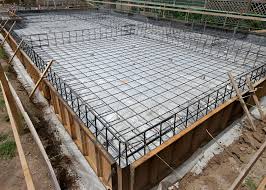
Trench fill foundations are similar but deeper and filled with concrete. They’re often used to save time and reduce brickwork below ground.
If you get the foundations wrong, everything else becomes a problem.Cracks. Movement. Delays. Extra costs.Whether you’re planning an extension, a new build, or structural alterations, proper foundation design is what keeps your property safe, stable, and compliant from day one.This is where working with an experienced structural engineer near me makes all the difference.
Foundation design is the process of calculating and specifying how your building transfers its load safely into the ground.
In plain English:
It’s how your house stays standing.
A proper foundation design considers:
Without this, you’re essentially guessing—and that’s where costly issues begin.
Call 0207 101 3687 and receive a no obligations quotation
We’ll arrange a visit that suits you and then gather information on what structural support you’ll need
After the inspection, we’ll created detailed structural drawing and calculations
Throughout the project, you’ll always be able to reach us for any assistance
Here’s how it typically works:
First, your structural engineer reviews your plans and project scope.If needed, a soil investigation (site investigation report) may be recommended to understand ground conditions.Next, foundation calculations are carried out based on load and soil data.
Detailed drawings are produced showing foundation type, depth, and construction details.These are submitted to Building Control for approval.Once approved, your builder follows the design on site, and inspections take place during excavation and pouring.
Simple when done properly. Stressful when rushed or guessed.Local Insight: Foundation Design in West London


Not all foundations are the same. The right choice depends on your ground conditions and project type.
Strip foundations are the most common. These are shallow foundations used for standard extensions and low-rise buildings where ground conditions are stable.
Trench fill foundations are similar but deeper and filled with concrete. They’re often used to save time and reduce brickwork below ground. Raft foundations spread the load across a larger area. These are useful when ground conditions are weaker or variable.
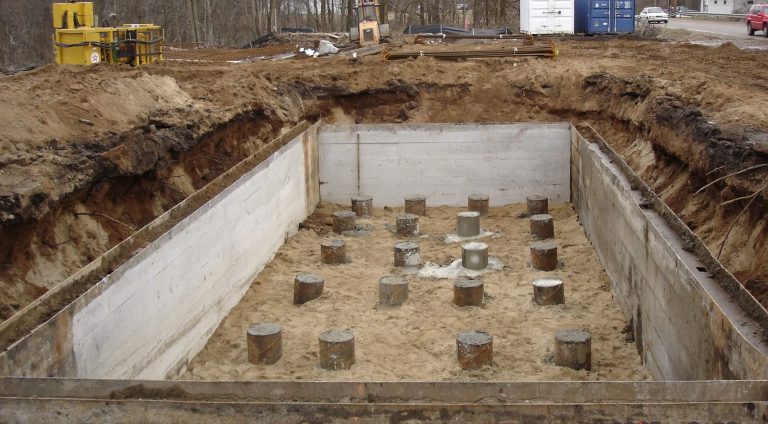
Pile foundations are used when ground near the surface isn’t strong enough. Loads are transferred deeper into stable soil or rock using piles.
A good structural engineer near me will assess your site and recommend the most suitable option—not just the cheapest.
A builder can dig foundations.But they shouldn’t design them.
That responsibility sits with a structural engineer west london, who ensures everything meets UK Building Regulations and performs safely long-term.
A structural engineer will:
This isn’t just about passing inspections—it’s about avoiding future structural issues that are expensive to fix.
Not all foundations are the same. The right choice depends on your ground conditions and project type.
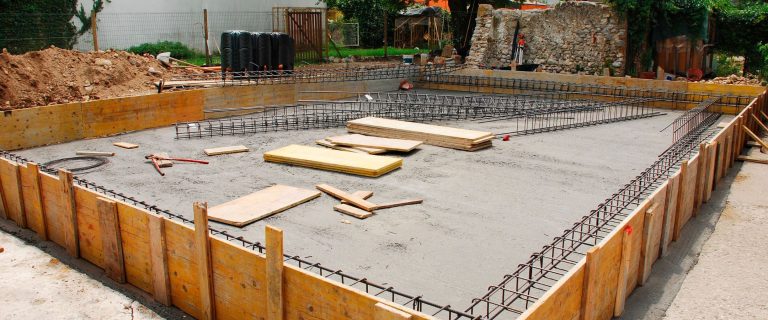
Strip foundations are the most common. These are shallow foundations used for standard extensions and low-rise buildings where ground conditions are stable.
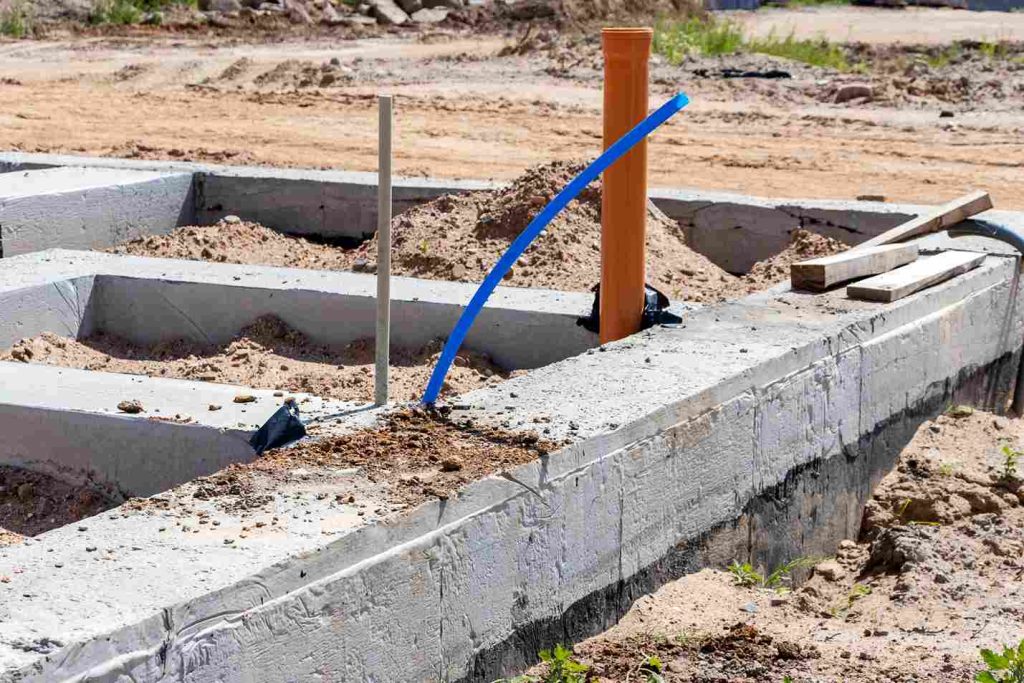
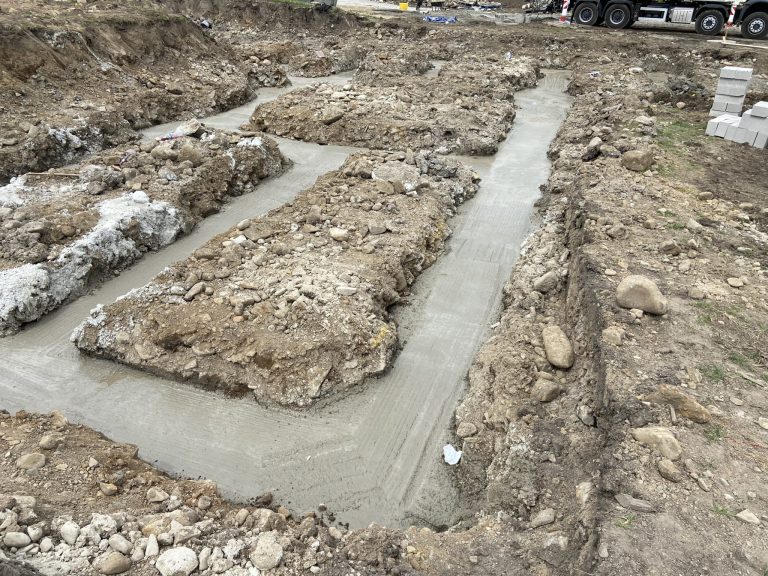
Trench fill foundations are similar but deeper and filled with concrete. They’re often used to save time and reduce brickwork below ground.
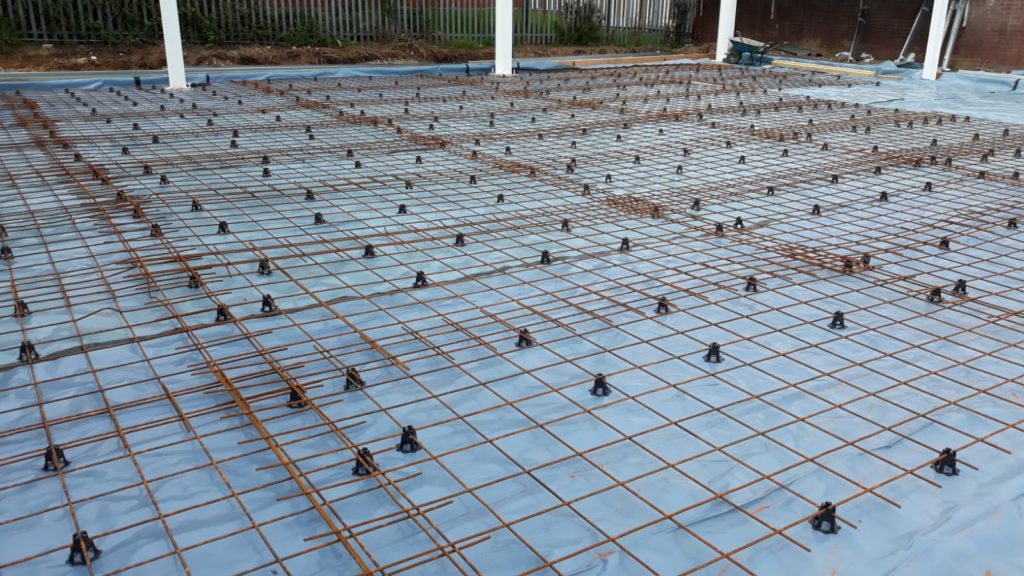
Raft foundations spread the load across a larger area. These are useful when ground conditions are weaker or variable.
Pile foundations are used when ground near the surface isn’t strong enough. Loads are transferred deeper into stable soil or rock using piles.
Foundation design in West London isn’t one-size-fits-all.
Areas like:
often deal with a mix of soil types, including clay-heavy ground.Clay soils expand and shrink depending on moisture levels, which can cause movement if not properly accounted for.
This is why foundation depth is so important in these areas—especially for extensions near trees or existing structures.A local structural engineer west london will already understand these conditions and design accordingly.
Let’s keep this real—most foundation issues come from shortcuts.
One common problem is foundations being too shallow. This can lead to movement, cracking, and long-term instability.
Another is ignoring nearby trees. Tree roots can significantly affect soil moisture and stability.
Poor soil assessment is another major issue. Without understanding the ground, even a well-built foundation can fail.
And then there’s poor workmanship—where builders don’t follow the design properly.
The fix?
Work with a structural engineer early and stick to the approved design.
If you want your project to run smoothly, keep these in mind:
Get your structural engineer involved early. Late involvement leads to redesigns and delays.
Don’t rely solely on your builder for structural decisions.Be prepared for deeper foundations if you’re building near trees.Always get proper calculations—don’t accept guesswork.
And factor foundation costs into your budget early. Surprises here can throw everything off.
This isn’t just about finding someone cheap—it’s about finding someone reliable.
Look for a structural engineer who:
Has experience with residential foundation design Understands local ground conditions Produces clear, builder-friendly drawings
Supports you through Building Control approval
Good internal linking opportunities here include:
structural surveys near me
building regulation approval package
temporary works design services
civil engineering services west london
loft conversion structural engineer
The right engineer doesn’t just design foundations—they help you avoid problems.
Yes. Even small extensions require proper structural design to meet Building Regulations.
It depends on soil type, nearby trees, and load—but typically between 1m and 2.5m in many UK projects.
Sometimes, but only if they’re assessed and approved by a structural engineer.
You risk cracking, movement, and expensive repairs.
Not always, but it’s recommended for complex or uncertain ground conditions.
Usually a few days to a couple of weeks depending on complexity.
Yes—typically before concrete is poured.
Not necessarily. They must be appropriate—not excessive.
Our main office is in Harrow-On-The-Hill, so we serve, Harrow, North West London, and areas like Watford, Eastcote, Northwood and more. We also serve Hemel Hempstead through our Hemel Hempstead office.
WhatsApp us