A method statement is the step-by-step plan for how a piece of construction work will actually be done — safely, in the right sequence, by the right people. Skip it or fudge it and you’re exposed on CDM, on insurance, and on every neighbour’s claim if something moves.
That’s where a Structural Engineer Near Me comes in.
Let’s keep it simple and useful.
A Structural Engineer West London takes the planned works — propping, demolition, excavation, lifting — and writes the document that says exactly how it’ll be done, in what order, with what plant, and what to do if something goes wrong.
That document is what stands between a clean build and a stop-notice from the HSE, an insurance refusal or a Party Wall dispute.
Call 0207 101 3687 and receive a no obligations quotation
We’ll arrange a visit that suits you, walk the property, review the structural design and contractor plan, and gather everything the method statement needs.
After the inspection, we’ll write the site-specific method statement and risk assessment, with sequence sketches and sign-off points for the build.
Throughout the project, you’ll always be able to reach us for any assistance — whether it’s builder queries, site changes or HSE/Building Control liaison.
This is where most homeowners get confused — so let’s break it down clearly. A method statement isn’t a generic template downloaded from a builder’s merchant; it’s a site-specific document that ties the structural design to the way the work will actually happen on your street.
Every method statement starts by listing the actual tasks — break out, prop, cut, lift, place, monitor, strike. We work through each one before writing a word.
The mapping tells us:
Once the tasks are mapped, we run a proper risk assessment behind each one:
Every risk gets a control measure, and every step gets a sign-off. The document is written to CDM 2015 and BS 5975 — clear enough for a builder to follow, defensible enough for an insurer or HSE inspector.
A terraced street in Chiswick is not a clear new-build site. A good method statement reflects the actual access, neighbours, ground and existing structure — not a generic checklist.







Not all method statements are the same — the right document depends on the work being done, the temporary works needed, and how much risk sits with neighbours and public realm.
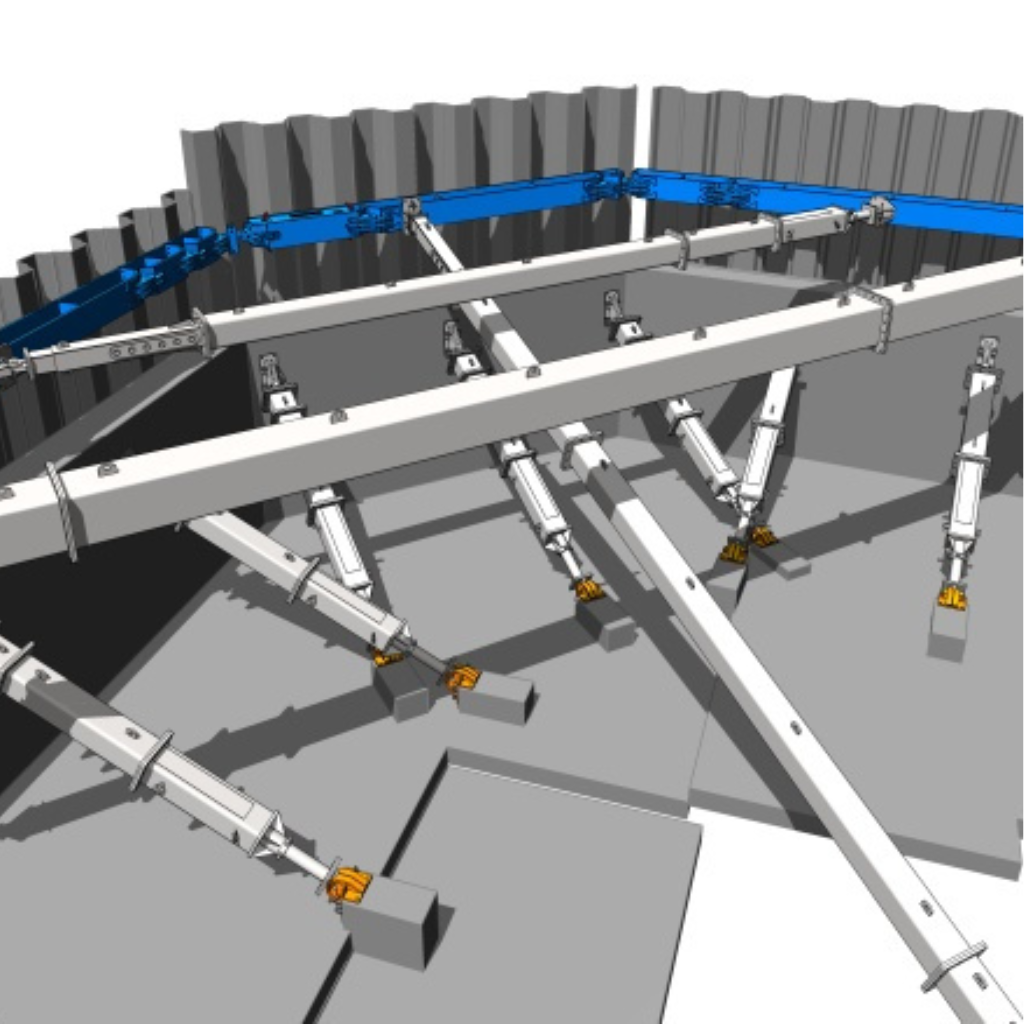
The most common method statement in domestic work — pairing the temporary works design with the way it’ll actually be installed, monitored and removed.
Used wherever something is coming down — chimney stacks, full chimney breasts, internal walls, outbuildings or façades for retention works.
Critical for any deeper dig — basement conversions, lift pits, or extensions with new strip footings adjacent to neighbours or trees.
Required where a crane, telehandler or large lifting plant is involved — common for steel beams craned into rear gardens or lifted over a terrace.
If your property is in:
You’re likely dealing with:
Any of these factors can quietly turn a generic method statement into a more careful one. A local chartered structural engineer knows which assumptions are safe, which need verification, and how to keep Building Control, the HSE and neighbours onside.
We produce clear, detailed method statements for clients across Harrow and Sudbury Hill, giving contractors and project managers the documentation they need to work safely and efficiently on site.
Not all engineers are equal — especially for method statements on tight West London sites.
Yes — for any notifiable works, propping, demolition, excavation or lifting, a chartered structural engineer should write or co-author the method statement. CDM 2015 expects competent authorship and a site-specific document.
Sometimes, for the simplest non-structural task. But for anything more — temporary works, chimney breast removal, basement digs, lifting steels — a generic template isn’t enough; the method statement must be specific to your site.
Typical domestic method statements run 1–2 weeks from instruction to issued document, assuming the structural design is complete and the contractor’s outline plan is available.
Almost always, yes. Method statements depend on the actual access, neighbours, ground and existing structure — none of which can be assessed properly from drawings alone.
Often, yes. Wherever propping, shoring, excavation or lifting affects a neighbour’s building or shared wall, the method statement should reference the Party Wall award and any monitoring it requires.
Tight access and close neighbours. Most West London streets have no working space outside the front door, so plant, skips, scaffolds and lifts all have to be sequenced carefully — that’s where method statements earn their keep.
Yes. CDM 2015 makes the client (usually the homeowner) legally responsible for ensuring suitable arrangements are in place. A site-specific method statement is one of the clearest ways to demonstrate that duty has been met.
Often the same engineer does both, and that’s usually the right answer. The temporary works design and method statement are inseparable — splitting them between two parties is where things fall through the gaps.
WhatsApp us